How Does Carcinoma Differ From Melanoma : Healthy Viewpoints-Early signs of Skin Cancer : Melanoma that occurs after treatment is considered either recurrent melanoma or a new primary melanoma.
Dapatkan link
Facebook
X
Pinterest
Email
Aplikasi Lainnya
How Does Carcinoma Differ From Melanoma : Healthy Viewpoints-Early signs of Skin Cancer : Melanoma that occurs after treatment is considered either recurrent melanoma or a new primary melanoma.. Melanoma typically begins as a mole and can occur anywhere on the body. Melanoma is the deadliest type of skin cancer. Basal cell carcinoma is the most common form of skin cancer and one of two major nonmelanoma skin cancer types (the other is squamous cell carcinoma). Other areas of the skin, fat, and muscle: Melanoma, another type of skin cancer, arises in the pigment cells (melanocytes).
The finding raises the possibility of new treatment approaches that could help keep melanoma from spreading. Use the menu to see other pages.people with a basal cell carcinoma, squamous cell carcinoma, or merkel cell cancer may experience the following symptoms. Let's take a closer look at these skin cancers and how they differ from one another. (3) this cancer starts in the melanocytes — cells in the epidermis that make pigment. Other areas of the skin, fat, and muscle:
Melanoma 101: Causes, Risk Factors, Types, and Stages from images.ctfassets.net Melanoma is the most serious type of skin cancer, because it tends to spread if it's not treated early. Also called carcinoma in situ, cancer discovered in this stage is only present in the epidermis (upper layer of the skin) and has not spread deeper to the dermis. Skin cancer is by far the most common type of cancer. What are the parts of skin? If the melanoma is thicker, your doctor may recommend additional tests to see if the cancer has spread before determining your treatment options. There are many types of skin cancer, each of which can look different on the skin. The skin cancer stage is. Melanoma is localized in the outermost layer of skin and has not advanced deeper.
There are different staging guidelines for basal and squamous cell cancer and melanoma.
There are multiple types of nonmelanoma skin cancer, but the main forms are basal cell carcinoma, squamous cell carcinoma and merkel cell carcinoma. Skin cancer is by far the most common type of cancer. Stage i (stage 1 squamous cell carcinoma): Basal cell carcinoma is the most common form of skin cancer and one of two major nonmelanoma skin cancer types (the other is squamous cell carcinoma). If the melanoma is thicker, your doctor may recommend additional tests to see if the cancer has spread before determining your treatment options. Carcinoma is a type of skin cancer that does not usually spread to other areas of the body, while melanoma is a more destructive form of cancer that is likely to spread, according to webmd. The cancer is smaller than 1 mm in breslow depth, and may or may not be ulcerated. Carcinoma occurs more frequently in older patients, while melanoma more often develops in younger patients. Squamous cell carcinoma may appear as a firm red bump, a scaly patch, or open sore, or a wart that may crust or bleed easily. They are located in the lower level of the epidermis. About 60 percent of people who have had one skin cancer will be diagnosed with a second one within 10 years, says a 2015 study in jama dermatology. Normally, skin cells develop in a controlled and orderly way — healthy new cells push older cells toward your skin's surface, where they die and. Some stages are split further, using capital letters (a, b, etc.).
In 2020, more than 100,000 people in the u.s. Lungs and area between the lungs: It accounts for only 0.7 percent to 3.5 percent of all malignant melanomas worldwide. The earliest stage melanomas are stage 0 (melanoma in situ), and then range from stages i (1) through iv (4). You will find out more about body changes and other things that can signal a problem that may need medical care.
Skin Cancer - Dermatologist in Bethesda, MD from www.chevychasedermatologycenter.com Melanoma is a cancer that develops in the skin's melanocytes. It is localized but invasive, meaning that it has penetrated beneath the top. Carcinoma is a type of skin cancer that does not usually spread to other areas of the body, while melanoma is a more destructive form of cancer that is likely to spread, according to webmd. Melanoma, another type of skin cancer, arises in the pigment cells (melanocytes). Lungs and area of the lungs: Cancer stages describe the size of the primary tumor and how far cancer has spread. Skin cancer is the most common of all human cancers. Where melanoma is most likely to metastasize.
Lungs and area between the lungs:
Melanoma is localized in the outermost layer of skin and has not advanced deeper. The cancerous cells originate in the lower layers of the epidermis. The skin cancer stage is. If there's a risk that the cancer has spread to the lymph nodes, your doctor may recommend a procedure known as a sentinel node biopsy. Melanomas and carcinomas come from different cells in the skin. Melanoma is resistant to radiation and chemotherapy. Melanoma is the deadliest type of skin cancer. Basal cell carcinoma does not progress into melanoma. As a rule, the lower the number, the less the cancer has spread. Use the menu to see other pages.people with a basal cell carcinoma, squamous cell carcinoma, or merkel cell cancer may experience the following symptoms. Each is a separate and distinct type of skin cancer. There are different kinds of skin cancer, depending on which type of cell is growing out of control. Are expected to be diagnosed with some type of the disease.
There are multiple types of nonmelanoma skin cancer, but the main forms are basal cell carcinoma, squamous cell carcinoma and merkel cell carcinoma. There are several layers of skin. If there's a risk that the cancer has spread to the lymph nodes, your doctor may recommend a procedure known as a sentinel node biopsy. There are many types of skin cancer, each of which can look different on the skin. The cancer is less than 2 centimeters, about 4/5 of an inch across, has.
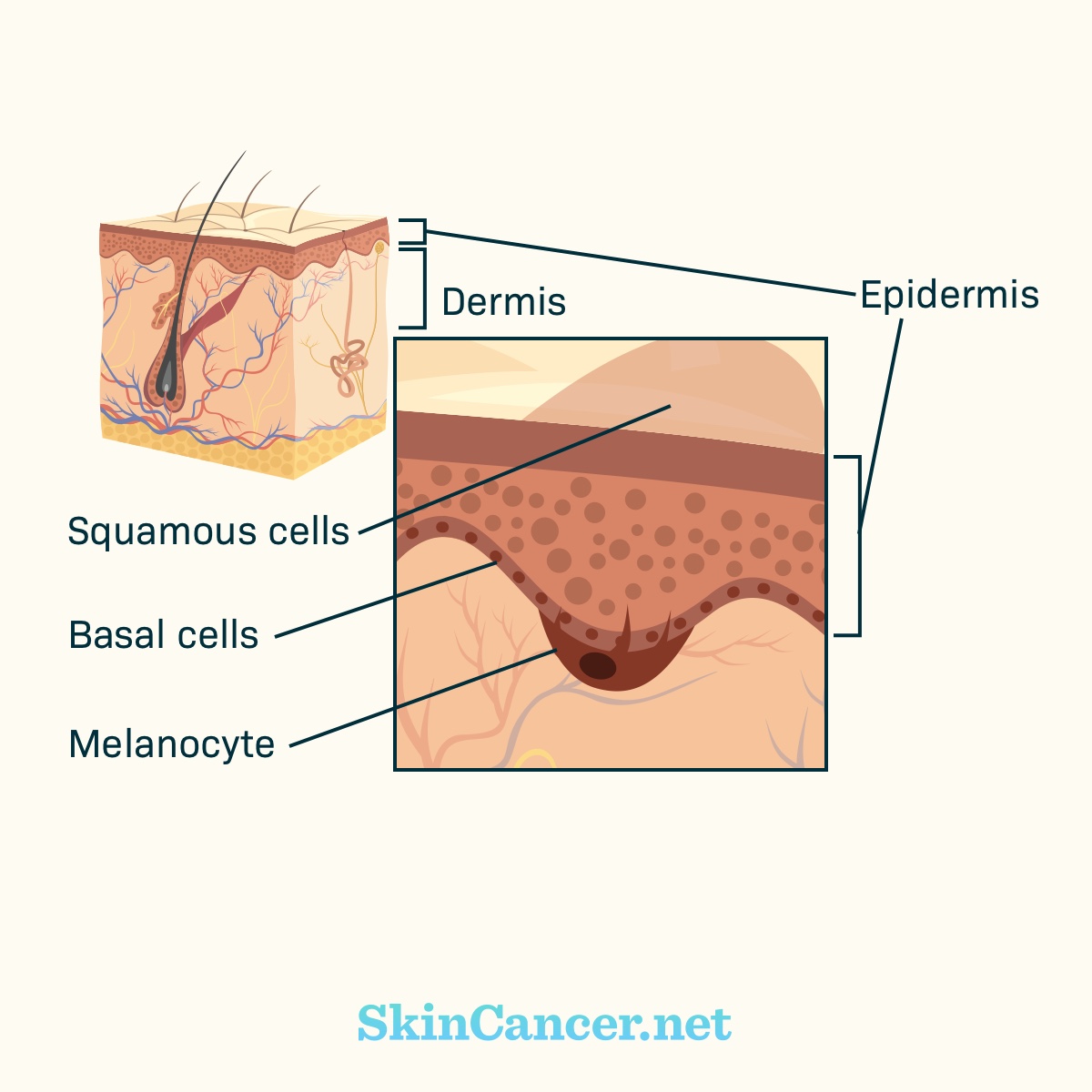
What Are the Causes of Skin Cancer? | SkinCancer.net from skincancer.net Use the menu to see other pages.people with a basal cell carcinoma, squamous cell carcinoma, or merkel cell cancer may experience the following symptoms. Carcinoma occurs more frequently in older patients, while melanoma more often develops in younger patients. Basal cell carcinoma does not progress into melanoma. If there's a risk that the cancer has spread to the lymph nodes, your doctor may recommend a procedure known as a sentinel node biopsy. Melanoma is deadlier than basal cell carcinoma and squamous cell carcinoma. About 60 percent of people who have had one skin cancer will be diagnosed with a second one within 10 years, says a 2015 study in jama dermatology. Lungs and area of the lungs: Also called carcinoma in situ, cancer discovered in this stage is only present in the epidermis (upper layer of the skin) and has not spread deeper to the dermis.
More than 60,000 people are diagnosed with melanoma every year, with nearly 9,000 deaths, according to skin cancer foundation data.
Cancer develops when cell growth becomes uncontrolled. There are multiple types of nonmelanoma skin cancer, but the main forms are basal cell carcinoma, squamous cell carcinoma and merkel cell carcinoma. Melanoma is resistant to radiation and chemotherapy. The skin cancer stage is. The cancer is less than 2 centimeters, about 4/5 of an inch across, has. As a rule, the lower the number, the less the cancer has spread. Melanoma is the most serious type of skin cancer, because it tends to spread if it's not treated early. The characteristics and stages of squamous cell cancer are: Your odds increase dramatically if you've been diagnosed with a second bcc or scc (or third, or any other number beyond first). Carcinoma occurs more frequently in older patients, while melanoma more often develops in younger patients. If there's a risk that the cancer has spread to the lymph nodes, your doctor may recommend a procedure known as a sentinel node biopsy. Micrographic surgery is a method where the cancer is removed with the minimum amount of surrounding tissue. Stage 0 and i are localized, meaning they have not spread.
What Is Usually The First Sign Of Ovarian Cancer - Ovarian Cancer - Signs of Ovarian Cancer - Symptoms ... : Ovarian cancer is the sixth most common cancer in women in the uk. . What is cancer of the ovary? Ovarian cancers are a group of diseases that affect the ovaries. It is the most common type of your doctor can explain more about each test: Here are the key symptoms to look for. Of all the cancers affecting women, ovarian cancer is the fifth most deadly. Recognizing the symptoms of ovarian cancer can lead to a diagnosis in an earlier, more curable stage. Your doctor checks general signs of. To learn more about surgery. The cancer has spread to the uterus or surgery is not only used to diagnose and stage ovarian cancer, but it is also used as a first step in treatment. Signs and symptoms of ovarian cancer may include: Ovarian Cancer | GSK from us.gsk.com ...
Kata at takwir (terbelah) yang menjadi nama bagi surat ini adalah dari kata asal (mashdar) dari kata kerja. peceqâ„¢: Ayat-ayat Ruqyah. 3647. from 4.bp.blogspot.com Kata at takwir (terbelah) yang menjadi nama bagi surat ini adalah dari kata asal (mashdar) dari kata kerja. Kata at takwir (terbelah) yang menjadi nama bagi surat ini adalah dari kata asal (mashdar) dari kata kerja. Kata at takwir (terbelah) yang menjadi nama bagi surat ini adalah dari kata asal (mashdar) dari kata kerja. Kata at takwir (terbelah) yang menjadi nama bagi surat ini adalah dari kata asal (mashdar) dari kata kerja. peceqâ„¢: Ayat-ayat Ruqyah. 3647. from 4.bp.blogspot.com Kata at takwir (terbel...
How Dangerous Is The Cancer Zodiac Sign : What's your sign? Im very dangerous cause I just happen to ... / And why is the star sign called cancer, anyway? . Cancer marks the summer solstice and is the zodiac sign often associated with many successful people. Find out the qualities of the cancer sign and how they are quite dangerous among all the zodiac signs. It is one of the what are the key strengths of the cancer zodiac sign? The lord of cancer is moon so the cancerians will generally exhibit signs of emotional connect and. The personality of a cancer, explained. Then this guide is for you! Sadhguru on how to manifest what you really want. These people love their home and family more than anything else in this world. Learn about what cancer zodiac sign means and how it affects your life. Learn about cancer star sign dates & traits on astrology.com! 💖 Who's the Most Danger...




Komentar
Posting Komentar